
La Escuela de Ciencia y Tecnología de Lewisville ofrece un programa especializado para estudiantes interesados en la ingeniería. A través de un plan de estudios integral y experiencias prácticas, los estudiantes desarrollan habilidades técnicas y de resolución de problemas esenciales para el sector de la ingeniería. Acompáñanos en este emocionante viaje para convertirte en un pensador innovador y un ingeniero calificado, y ayudar a construir un mundo mejor a través de la tecnología y el ingenio.
Itinerario de Ingeniería
Shaping the World,
Engineering Your Future

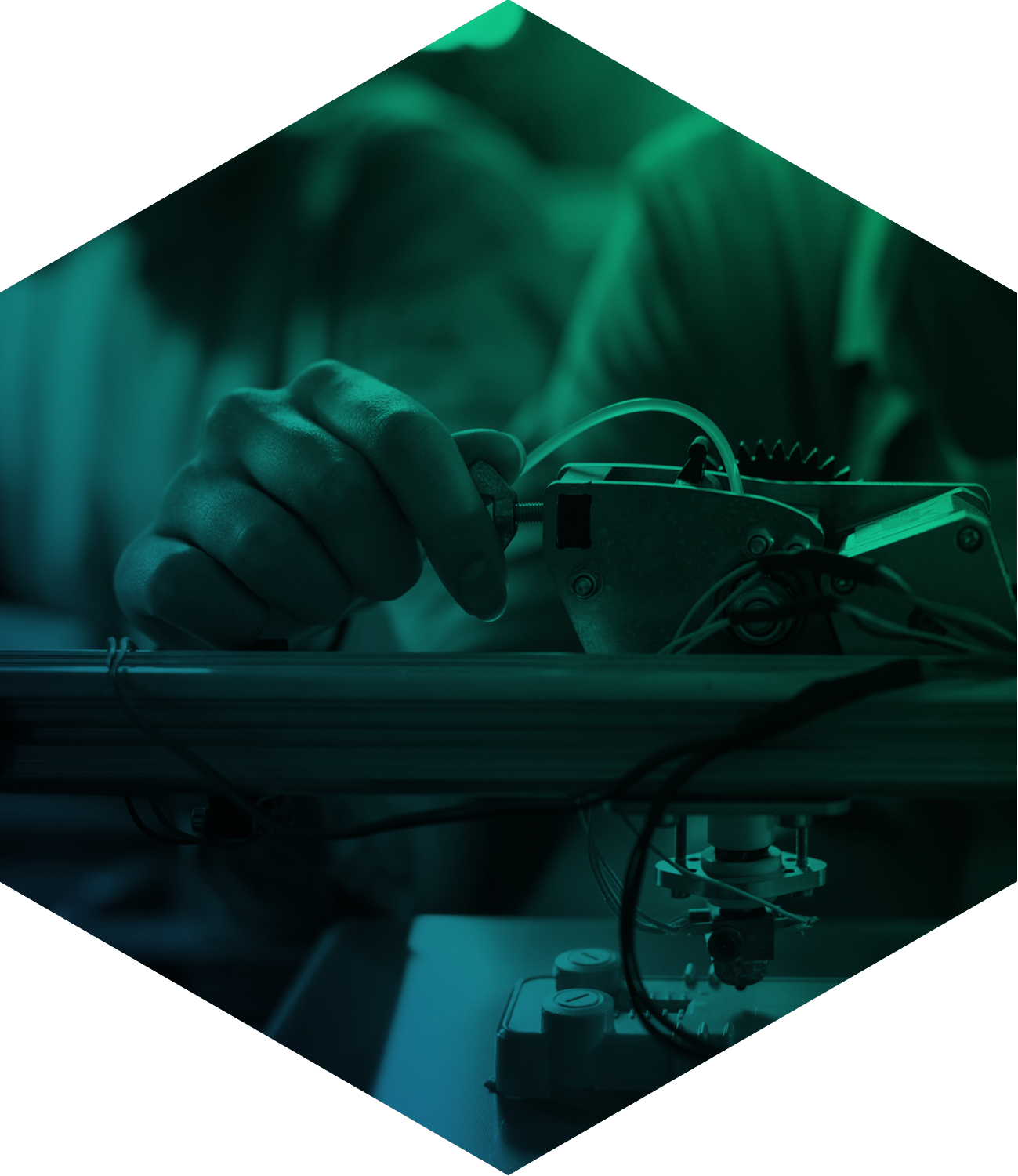

Características Ingeniería Pathway
Work Based Learning
Competitions including NASA HUNCH/Skills USA and Engineering Internships
Earn your Certification
Autodesk Certified User (ACU) Certification for Autodesk Fusion Software
- Introduction to Engineering
- Engineering Design & Problem Solving
- Principles of Applied Engineering
- Practicum / Capstone (NASA HUNCH)
9th Grade Introduction to Engineering (IED) students are introduced to the engineering design process, applying math, science, and engineering standards to identify and design solutions to a variety of real problems. They work both individually and collaboratively to develop and document design solutions using 3D modeling software and other tools.
Are you ready to design the future?
Upon completing this course, students will have an understanding of the various fields of engineering and will be able to make informed career decisions. Further, students will have worked on a design team to develop a product or system. Students will use multiple software applications to prepare and present course assignments.

In 10th Grade Engineering Design & Problem Solving, students learn the fundamentals of fabrication and manufacturing using a variety of methods from wood and power tools to CNC Machine pathing and design. Students also explore the basics of robotics coding and electric circuit design. This culminates in a final design project which marries fabrication and robotics.
You can change the world, one project at a time.
The study of manufacturing engineering will allow students to reinforce, apply, and transfer academic knowledge and skills to a variety of interesting and relevant activities, problems, and settings in a manufacturing setting.

11th Grade Principles of Applied Engineering is a continuation of knowledge and skills learned in Introduction to Engineering. Students enrolled in this course will demonstrate knowledge and skills of the design process as it applies to engineering fields using multiple software applications and tools necessary to produce and present working drawings, solid model renderings, and prototypes. Students will use a variety of computer hardware and software applications to complete assignments and projects.
Explore how modern engineers are helping improve the world through diverse engineering fields such as product design, robotics, mechanical design, infrastructure, and sustainability. Learn the principles of engineering as well as the cutting-edge tools of robotics, 3-D modeling, and prototyping that are used to solve problems today and in the future!
Through the implementation of the design process, students will transfer advanced academic skills to component designs. Additionally, students explore career opportunities in engineering, technology, and drafting and what is required to gain and maintain employment in these areas. Students shall be awarded one credit for successful completion of this course.
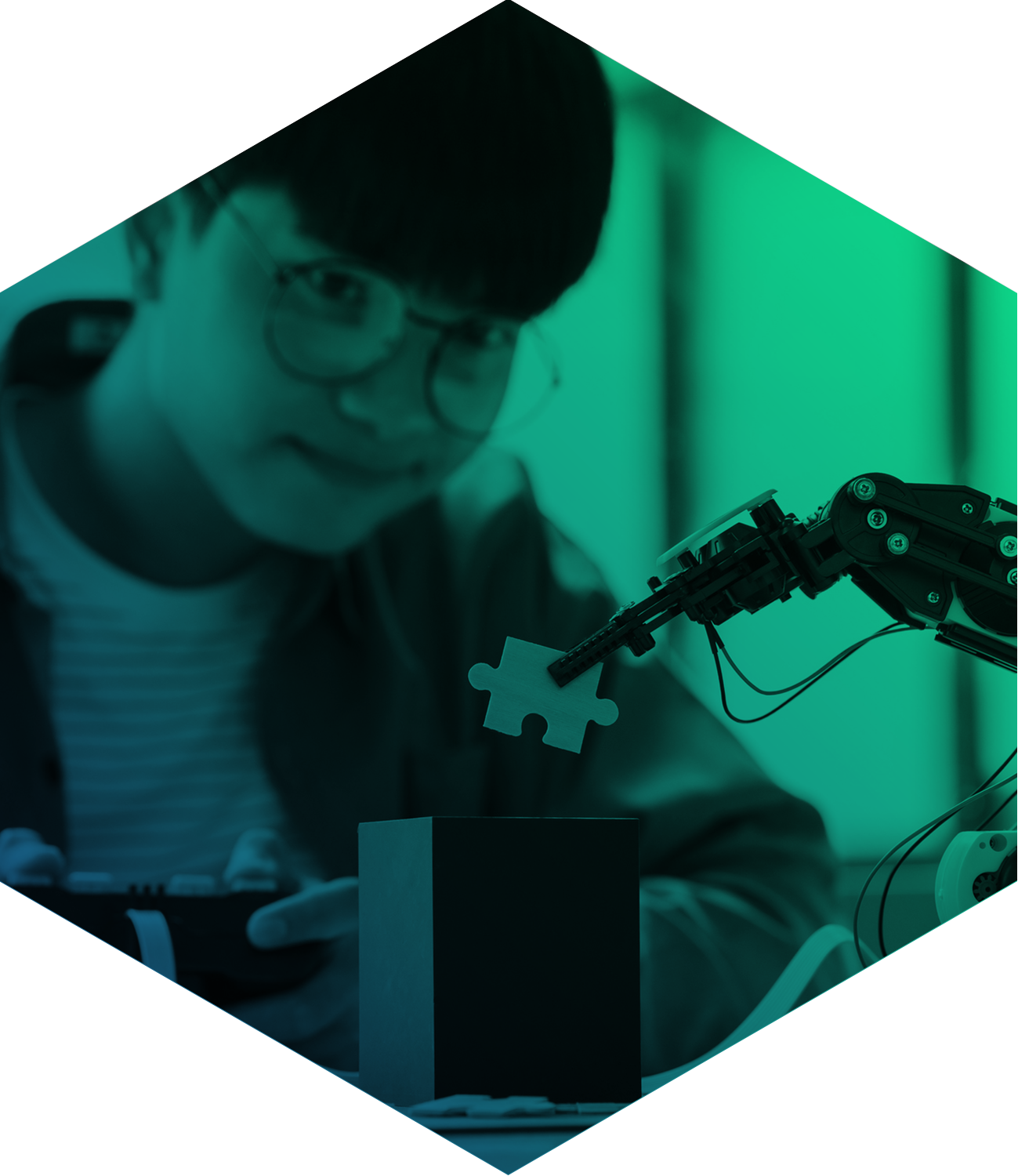
The 12th Grade Capstone for the Engineering Pathway is the NASA HUNCH Program. The HUNCH mission is to empower and inspire students through a Project Based Learning program where high school students learn 21st-century skills and have the opportunity to launch their careers through participation in the design and fabrication of real-world valued products for NASA. Students from all over the United States partner with mentors at NASA Research Centers across the country to develop unique solutions.
Students compete with over 500 schools across the country, putting all that they have learned throughout the pathway into practice, to come up with solutions to problems that NASA poses from Design & Prototyping problems like building a robot for the ISS and other space stations to Biomedical problems like purifying and recycling water or finding new ways to distribute liquid from an IV in Microgravity, to Software issues like programing control systems for Lunar Habitats.